The room
A space built to be left.
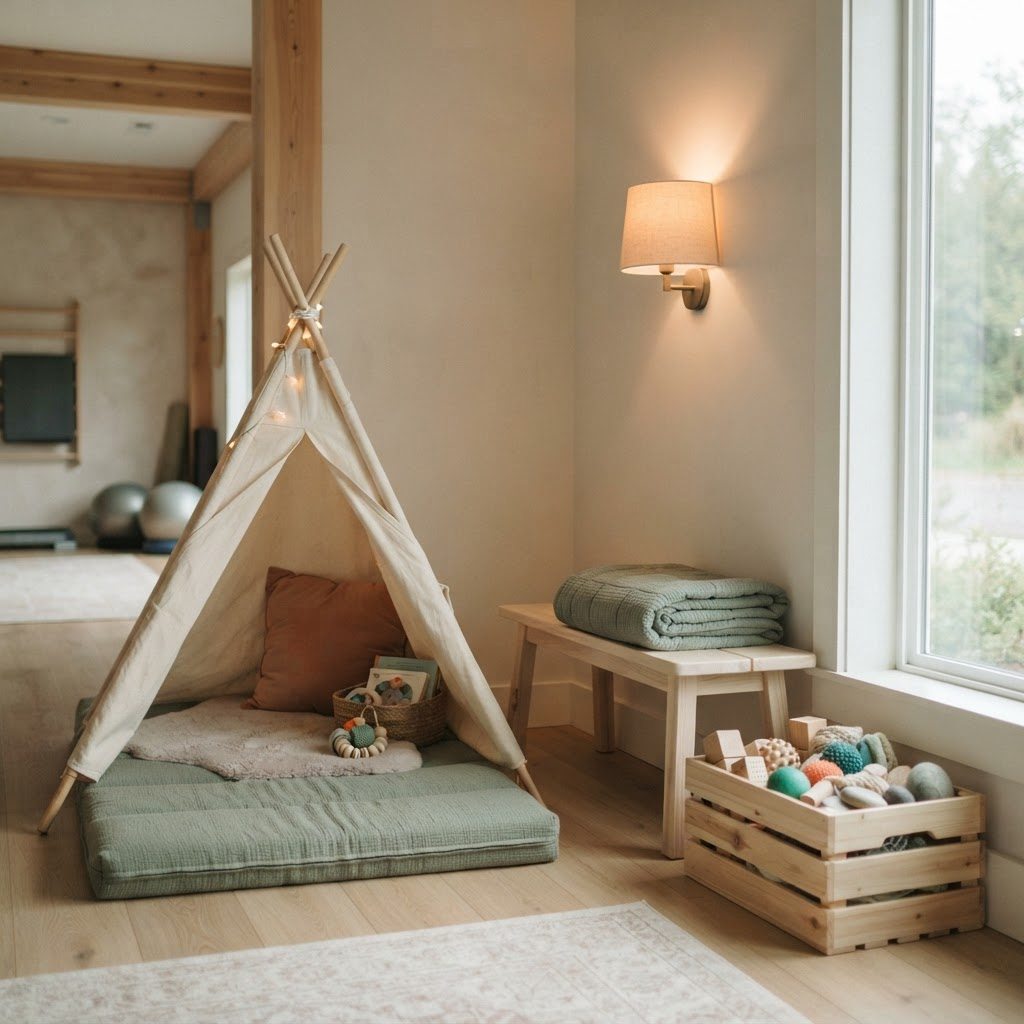
Every studio has somewhere to go that is not the session. Leaving the mat is treated as information about what your child needs, not as a behaviour to manage or a session cut short.
Student-founded nonprofit · Chantilly, Virginia
We are a small nonprofit running free sessions for autistic children and their families. No diagnosis needed, no referral, no fee. Ear defenders stay on, stimming is never redirected, and nobody is pushed into a room they are not ready for.
The approach
The room
Every studio has somewhere to go that is not the session. Leaving the mat is treated as information about what your child needs, not as a behaviour to manage or a session cut short.

The work
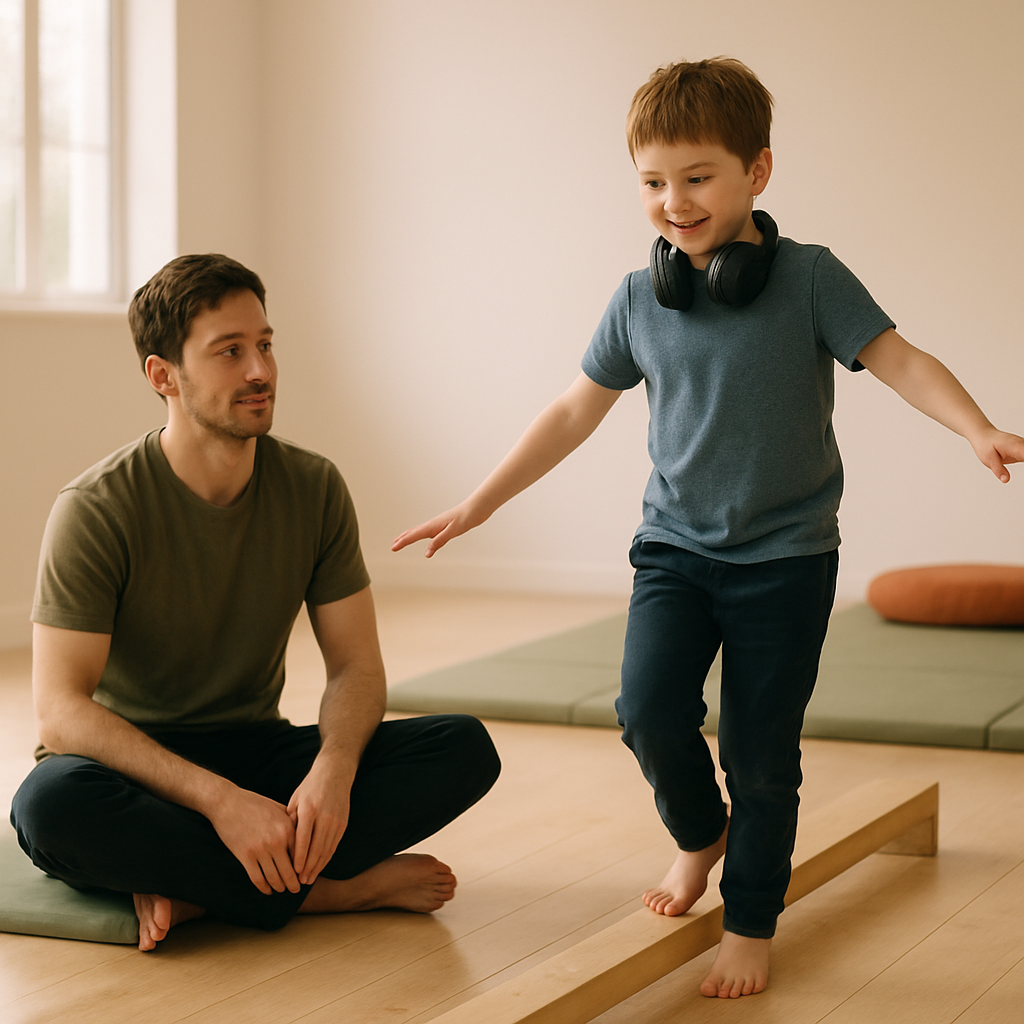
Balance, coordination and strength get built inside games your child actually wants to repeat. Nobody is counting reps at a seven year old, and their interest is the thing we protect first.
The adults
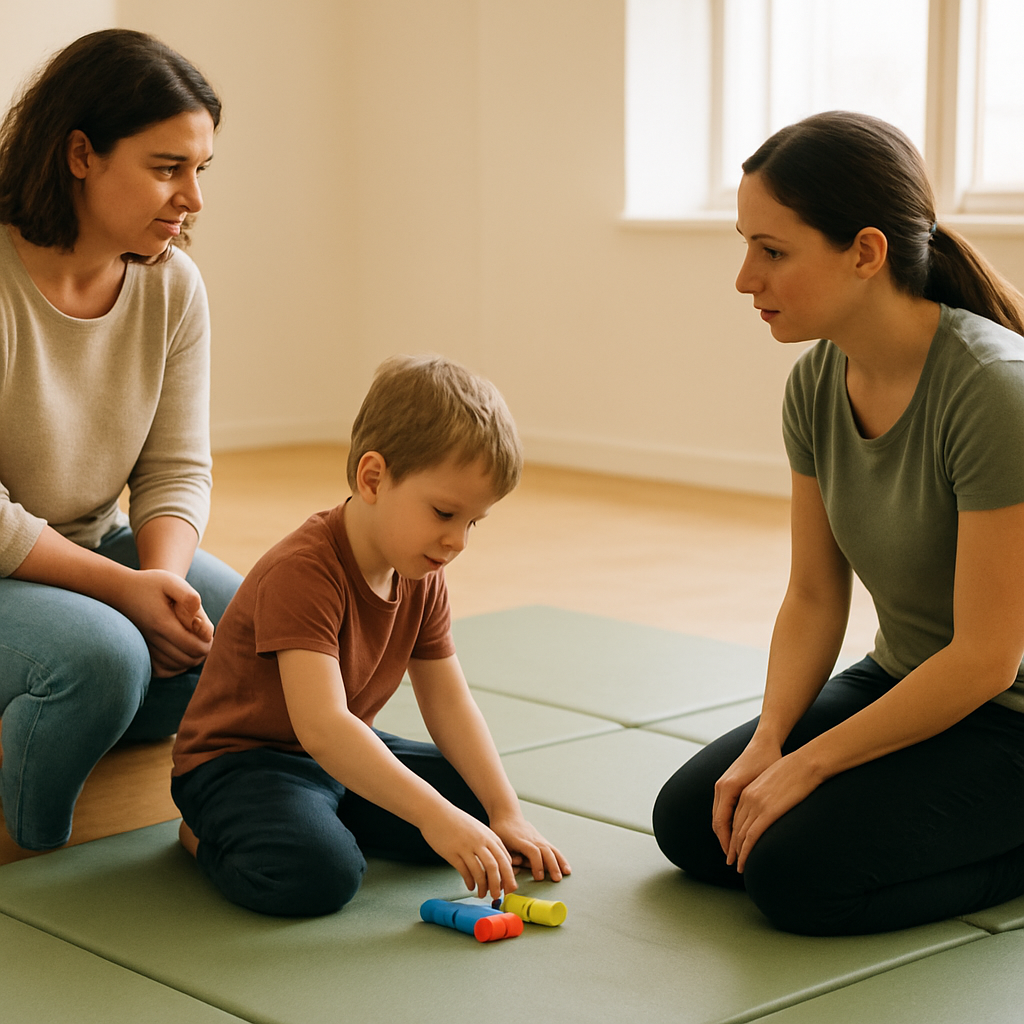
Stay in the room for as long as it helps, and get a written note after every session so nothing depends on your child recounting their day when they are already spent.
For children
We deliberately keep the offer small so we can run it properly. If you are not sure which one fits, email us and we will help you work it out.
Balance, coordination and confidence built inside games your child chooses to repeat.
Small groups of four with two practitioners, so nobody is waiting in a queue for a turn. Sessions are led by what the child picks up, and leaving the mat to sit in the tent is treated as information rather than a problem to fix.
Heavy work, swinging and deep pressure for children who need to move before they can settle.
One practitioner, one child, one quiet room booked off-peak. We work out together which inputs help your child come back down, then write it up so the same things can be used at home and shared with school.
You in the room, learning what works, so the week between sessions is easier.
For parents and carers who want to do this at home but have been told to leave the room everywhere else. Siblings are welcome. You get a written note after every session so nothing depends on your child recounting their day when they are already spent.
Inside a session
None of this is a checklist a child has to get through. We follow what each one is drawn to on the day, and every activity below is doing something specific for a growing nervous system.
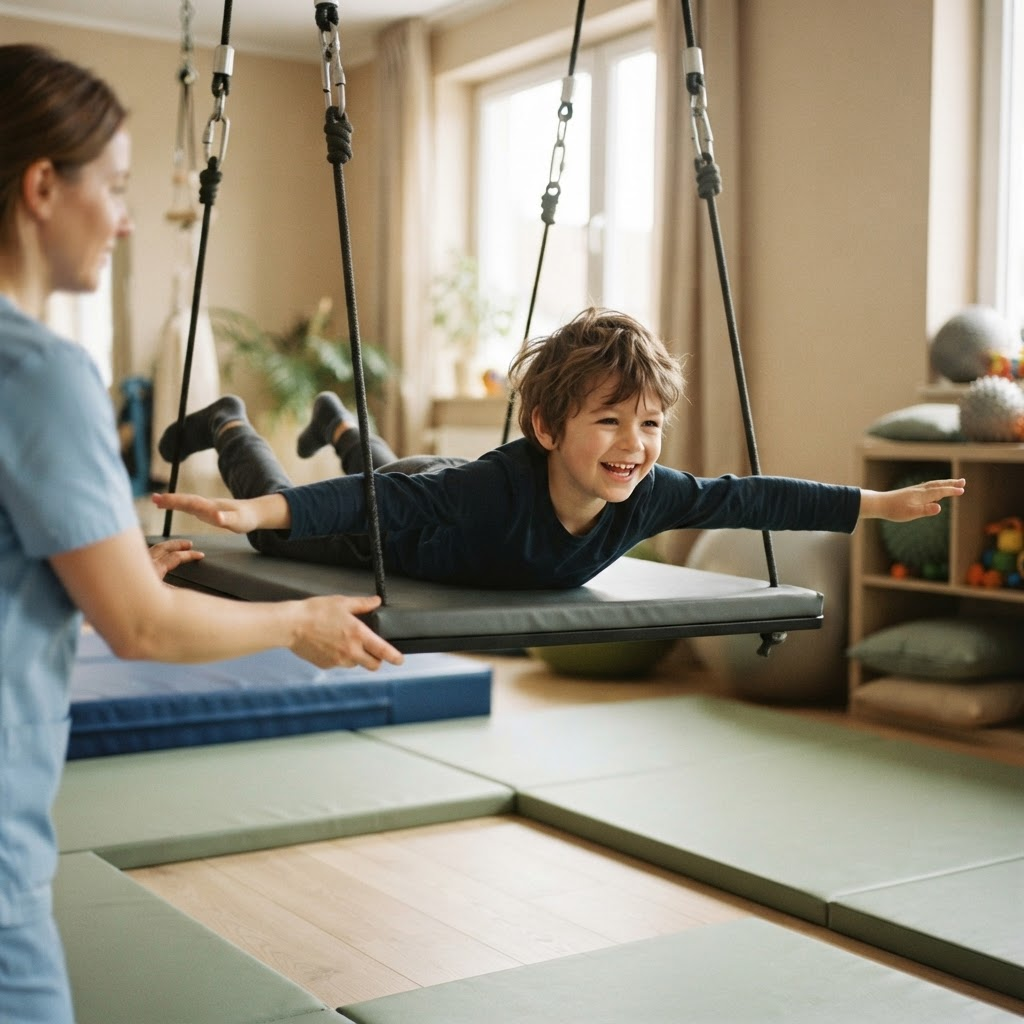
Linear swinging feeds the balance system that tells the body where it is in space. For a lot of autistic kids this is the input that turns a scattered, dysregulated morning into a settled one, so we start here and let the child set the pace and direction.
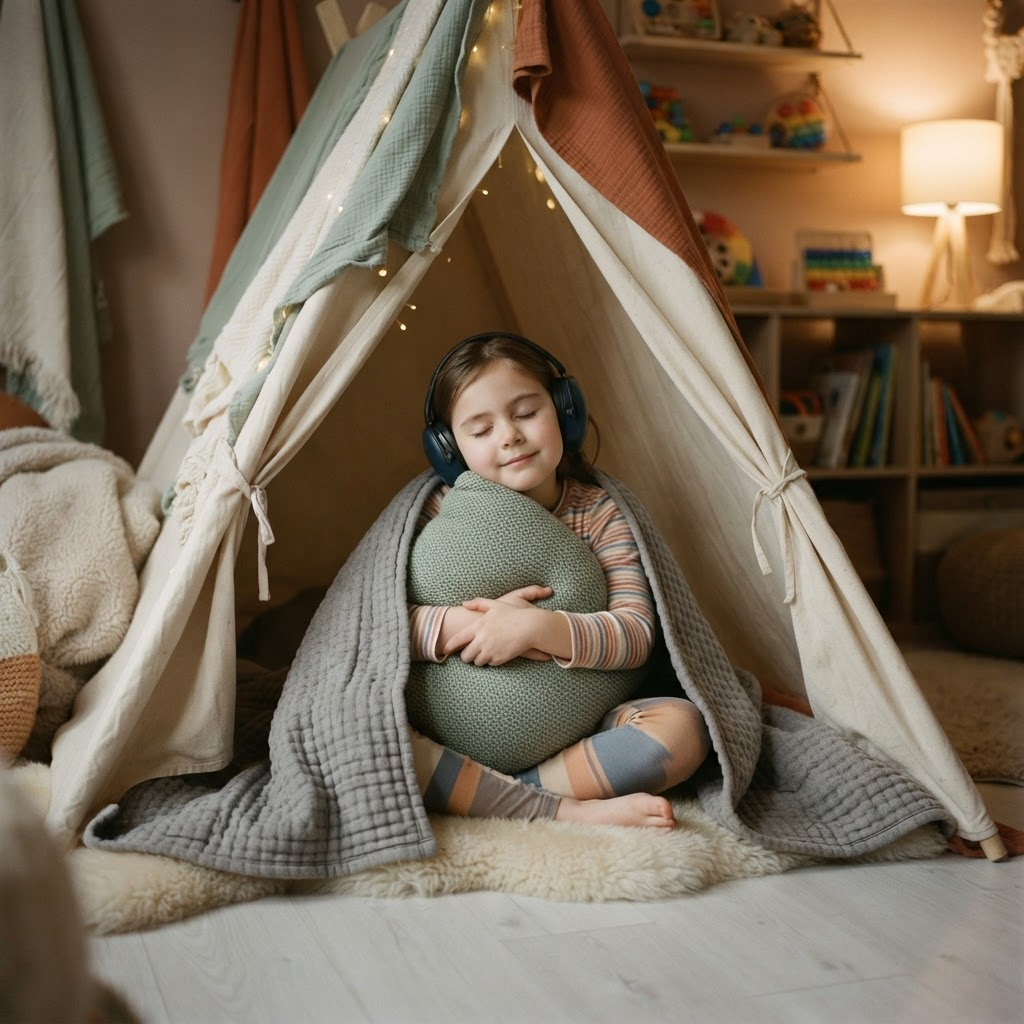
Weighted blankets, firm squeezes and a den to disappear into give the deep-pressure input that many children find organizing. Retreating to the tent is never treated as the session failing. It is the child telling us exactly what they need, and we listen.

Jumping, pushing and pulling against resistance builds body awareness and the ability to plan and sequence movement. It also burns through the restless energy that makes sitting still feel impossible, so focus comes more easily afterward.

Scooping, pouring and sorting different textures builds fine-motor control and gently widens what feels tolerable to touch. Nothing is forced. A child who only wants to watch today is doing the work, and that counts.

Before a child can self-regulate, they borrow calm from an adult who has it. We model slow breathing and simple ways to name what a body is feeling, then hand those tools to you so the same language works at home.
Our commitments
These are not accommodations we make on request. They are how every session runs, for every family, without anyone having to explain themselves first.
For adults
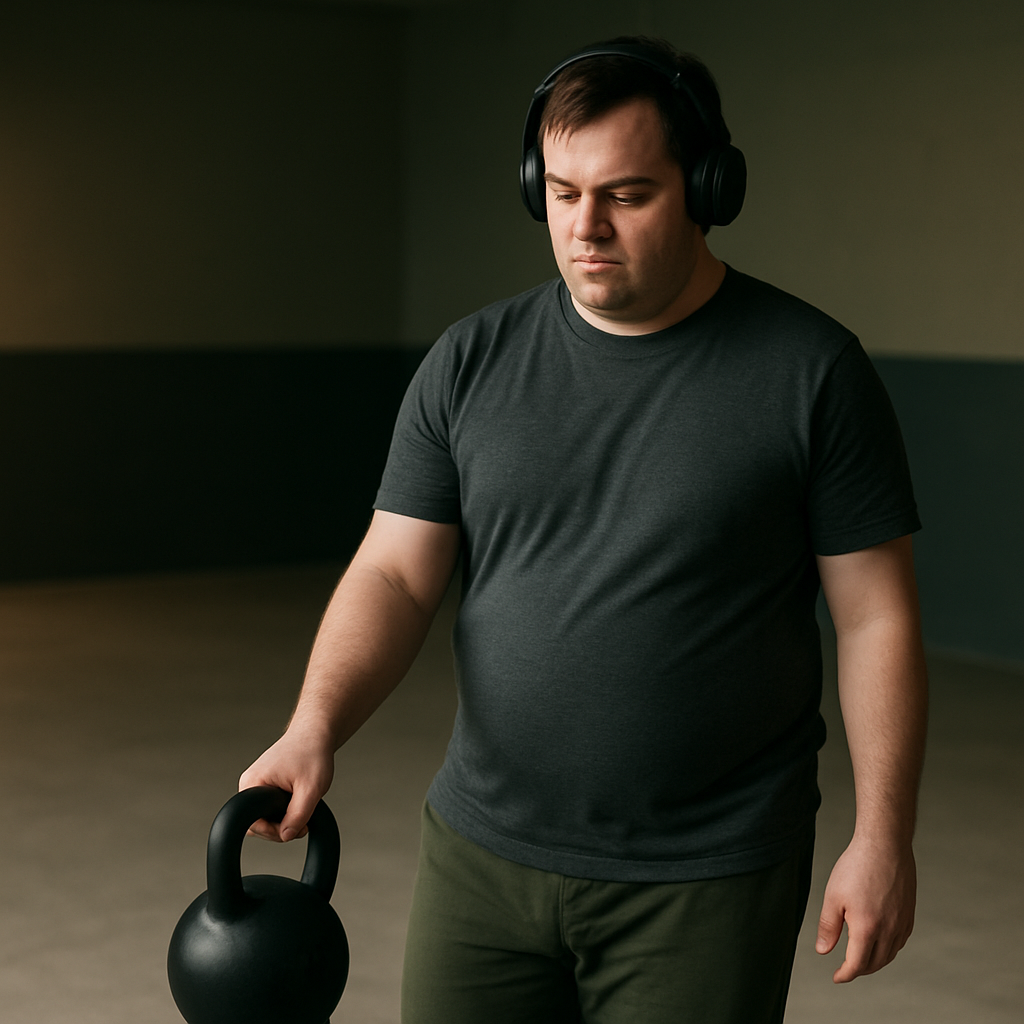
Supporting autistic adults is a different job, so we keep it separate rather than scaling the children's approach upward. Most people who come to us were failed by a mainstream gym first. This is free too, and you can refer yourself.
Who runs this
MoveFocus Connect is small on purpose. It is run by the people whose names are on this page, not a call center, and you reach them directly.
Founder & Lead
Rising senior, Chantilly High School
Harini started MoveFocus Connect to make movement and regulation support available to autistic kids in the community without a diagnosis, a referral, or a fee getting in the way. She runs sessions, coordinates volunteers, and is the person who reads every email that comes in.
harini.chandhu@gmail.comFaculty Advisor
Associate Professor of Special Education, Jackson State University
Dr. Ramdoss guides the program on evidence-based, neurodiversity-affirming practice, helping keep what we do grounded in special-education research rather than guesswork.
sathiyaprakash.t.ramdoss@jsums.eduWhere donations go
We have no fundraising agency and no paid advertising. We publish what we raise and how we spend it, and we will always tell you what we got wrong alongside what worked.
Ways to help
Donate
A regular gift is what lets us hold a place open for a child who needs to pause for a month. Most of our income comes from people giving small amounts every month, not from grants.
Set up a monthly giftVolunteer
We need people to set up rooms, sit with siblings, and help families find us. Autistic volunteers are especially welcome, and we will fit the role around what you can actually do.
Ask about volunteeringPartner
Quiet, low-stimulation rooms are our biggest constraint. If you run a gym, studio or clinic with off-peak hours going spare, that is worth more to us than a check.
Talk about spaceEmail us about your child, or about yourself, in as much or as little detail as you like. A real person reads it. If we are not the right service, we will say so and point you somewhere that is, rather than adding you to a list.